_edited.jpg)

CLT Reimagined
We are developing cross-laminated timber to meet the specific demands of high-performance applications. Through engineered processing and material innovation, we are exploring new ways to optimize CLT for specialized uses and expand its potential across expanded markets.
How it Works
Cross Lamination
Individual layers of timber are bonded together with each layer oriented perpendicular to the next, creating a panel engineered for strength and long-term endurance. This process provides a 3" panel that delivers the durability and performance comparable to traditional CLT panels.

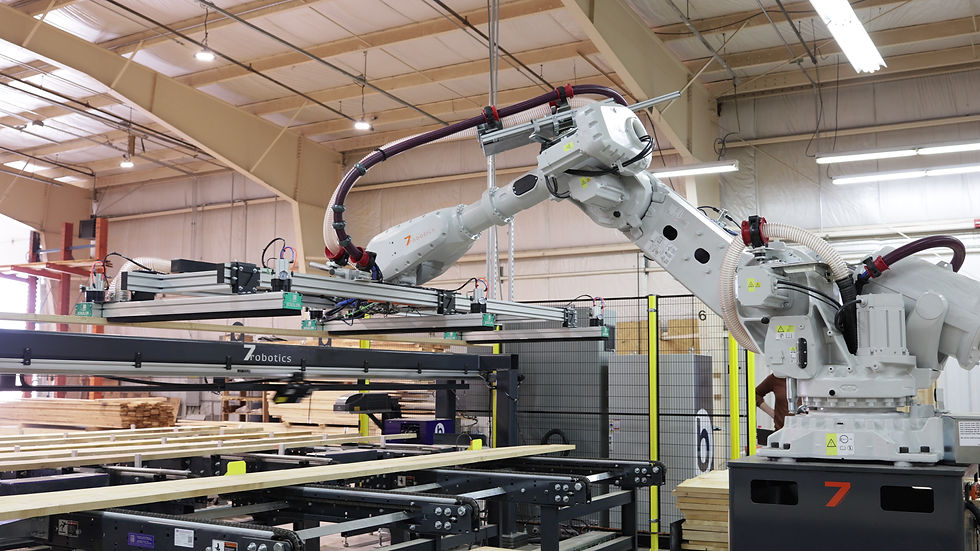
Each piece of wood is mechanically graded and carefully selected by hand to ensure every board meets precise specifications. Once assembled, the panel is pressed under immense pressure and machined into a Cross-Laminated Timber building panel.
Stillwood CLT Uses
Homes
This housing system, referred to as BOLEH (Built On Lot Engineered Homes), is designed for long-term durability and simplified installation. These homes utilize a hybrid panelized cassette building system that significantly reduces construction time while ensuring quality in a permanent home.
RADS
In partnership with the DOD, RADS was designed as a rapidly deployable military barracks. Each unit arrives built for rapid deployment with all building materials and tools. Once on site, the container can be quickly erected to create a highly resilient barracks structure. When the mission is complete, the structure repacks within itself and is immediately ready for redeployment.
DIY Projects
Let your imagination run wild. Our panels be used for partitions, tables, outdoor kitchens, saunas, furniture, landscaping, benches, and more. Any place you think of using treated wood, think of us.

Panel Remnants Available
CLT Panel remnants are available for purchase, providing a cost-effective option for projects that don't require full-size panels.

Finger Jointer
To reduce panel waste, we are utilizing our new Cantek Finger Jointer. The machine allows us to turn shorter pieces of wood that may otherwise go to waste into longer, usable boards. It precisely cuts interlocking finger profiles into the ends of the boards, applies adhesive, and presses the pieces together to create a strong, continuous length of material. This process helps us maximize the use of our available wood and reduce waste.